Smart Choices for Safer, Lighter Rides: A Rider’s Guide to Helmets and Accessories
Planning your riding kit starts with scoping the helmet category that fits your travel style, distance, and climate. Commuters may favor compact shells that stash easily in saddlebags, while tourers value comfort over long hours. Assess your local laws before anything else, then align comfort features like padding, weight, and venting with your route. Finally, map accessories—eye protection, neck layers, and liners—to the helmet form you’re leaning toward.
However you ride, shell design and construction deserve a close look. Fiberglass helmets balance strength with manageable weight, offering a durable option for frequent use. Thermoplastic can be budget-friendly, though it may add bulk. In practice, a lower profile often reduces wind buffeting and strain on the neck. Verify that the shell shape harmonizes with your bike’s windscreen and your usual posture to minimize fatigue.
Meanwhile, standards and use-cases influence the shortlist. DOT-approved beanie motorcycle helmets appeal to riders wanting minimal bulk while meeting a federal baseline. Half helmets bring expanded field of view and airflow, yet they expose more of the face. Open-face or reversible motorcycle helmets widen versatility for mixed urban and scenic miles. Validate that the retention system cinches evenly and that the shell doesn’t lift when you turn your head at speed.
Beyond that, the interior ecosystem is where comfort is won or lost. Helmet liners wick moisture and can be swapped to tune fit through seasons. Helmet ear pads help quell wind roar and can make space for speakers without hot spots. Document the sizing nuances across brands, as small differences in crown shape matter more than the number on the tag. Aim for firm, even contact without pressure points.
Often, visibility gets less attention than it deserves. Riding glasses with interchangeable lenses let you adapt to dawn glare, noon brightness, or evening haze. Neck gaiters shield from chill, dust, and sun, while also taming jacket-collar turbulence. Inspect the interface among eyewear, helmet seal, and gaiter to prevent fog, drafts, and lens lift. Keep anti-fog wipes in your kit and maintain clean vents to preserve clarity.
Then, think through the ownership lifecycle. Online helmet ordering streamlines the try-and-refine loop when paired with clear return policies. Authorized retailer locator tools help find in-person fitting to validate sizing. Helmet warranty support and accident replacement assistance add a safety net when life happens. Calibrate your budget by including spares like liners and shields, plus rider apparel layers that extend your comfortable riding window.
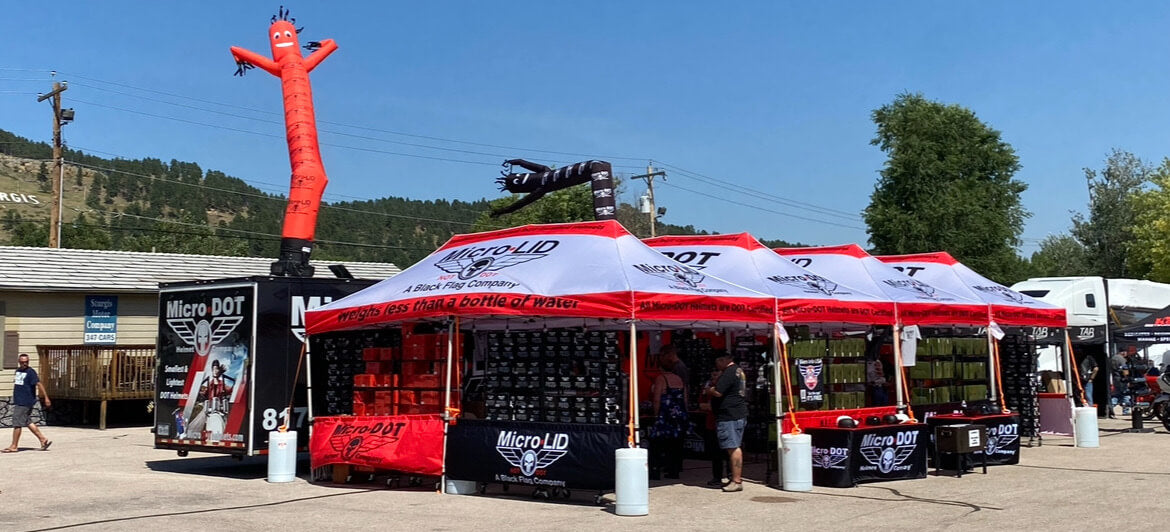
Furthermore, weight and trim profiles affect more than comfort. Low-profile motorcycle helmets can reduce wind catch on naked bikes and cut tug at freeway speeds. MicroLID non-DOT helmets exist in some riding communities for off-road or display contexts, yet they are not intended for regulated street use. Validate your riding environment and priorities so the gear selection aligns with your legal and practical needs.
Next, think maintenance as a habit rather than an event. Phase cleanings after sweaty or rainy rides, using mild soap on liners and gentle cloths on shells. Avoid petroleum-based cleaners that can degrade materials. Sequence replacements by wear: cheek pads often compress first, then liners, then the outer shell years later. Keep a small kit of spare screws, a microfiber cloth, and travel-size cleaner in your bag.
Additionally, comfort tuning can be subtle yet meaningful. Refine fit by shimming thin foam behind hotspots or stepping up pad thickness for snugness without pain. Motorcycle seat covers can change posture enough to alter helmet airflow, so validate fit after seat changes. Gift cards can be handy for staged purchases, letting you upgrade pads or eyewear later. Buffer your plans for seasonal swings in headwear thickness.
Finally, stay future-ready by documenting what works. Note shell shape, size code, liner thickness, and eyewear compatibility so replacement is simple. Dealer opportunities and helmet finder assistance can widen options if your head shape sits between common profiles. Accumulate ride notes about noise, lift, and fatigue at different speeds. With steady inspection and thoughtful swaps, your helmet-and-accessory setup will keep pace with the miles ahead.